play time | The Evolving Role of 'Play Time' in Digital Gaming
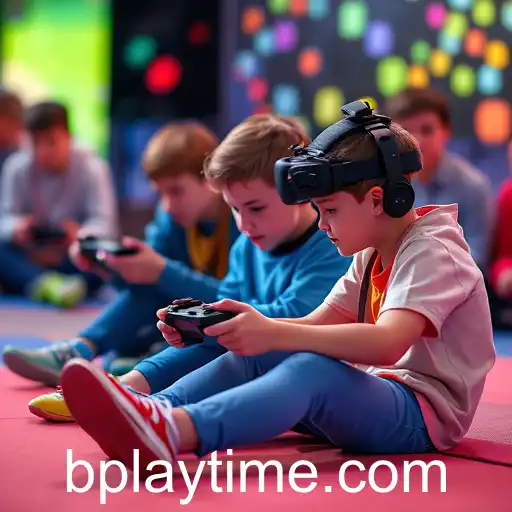
In today's dynamic digital landscape, the concept of "play time" is gaining new significance in the gaming industry. With technological advancements and shifting consumer preferences, gaming has transcended traditional boundaries, leading to a reevaluation of what 'play time' means for players around the world. This shift is primarily driven by the rise of virtual experiences and the increasing demand for immersive content.
As 2025 progresses, the industry is witnessing unprecedented growth spurred by innovations such as virtual reality (VR) and augmented reality (AR). These technologies have not only enhanced the quality of gameplay but have also expanded the definition of 'play time'. Players are no longer confined to their living rooms; instead, they embark on adventures that seamlessly blend the real and virtual worlds. The integration of haptic feedback devices further blurs these lines, turning "play time" into a fully immersive experience.
Moreover, the transformation is also reflected in how games are designed and monetized. The rise of free-to-play models with in-game purchases has made games more accessible. However, it has also sparked debates about the implications for 'play time'. Critics argue that these models encourage excessive playing and spending, raising concerns about digital well-being.
In contrast, proponents suggest that the diversified monetization strategies enable a wider audience to engage with games, leading to a more inclusive community. Players from diverse backgrounds can participate in 'play time' without significant financial barriers, thereby democratizing access to virtual experiences.
Another key development is the growing emphasis on social elements within games. Online multiplayer modes, collaborative missions, and expansive digital gatherings have redefined 'play time' as a social experience. Gamers across the globe connect, communicate, and collaborate, forming virtual friendships that extend beyond the game sessions themselves.
As the industry continues to evolve, stakeholders are keenly observing how these transformations will shape gaming's future. With increasing scrutiny on digital well-being and emerging ethical considerations, the coming years are expected to see further innovations in how 'play time' is managed and experienced. Ultimately, 'play time' in 2025 represents not just leisure but a rich tapestry of interaction, creativity, and community within the digital realm.


Embracing Play Time: The Future of Online Gaming
Exploring the evolution of online gaming in 2025, driven by technological innovations and changing user expectations.

The Evolution of Play Time in 2025
Exploring how 'play time' has developed in the gaming community in 2025 amidst technological advancements and societal changes.

The Role of Play Time in Gaming Evolution
Exploring how 'play time' is shaping the dynamics of the gaming industry in 2026, with a focus on community growth and technological advances.

Exploring New Frontiers in Online Gaming
An in-depth look at the evolving landscape of online gaming in 2025, focusing on innovations, challenges, and trends.